What Is a Cornhole Board? The Game, the Spec, and the Set
Marisol Vega, Contributor
8 min read
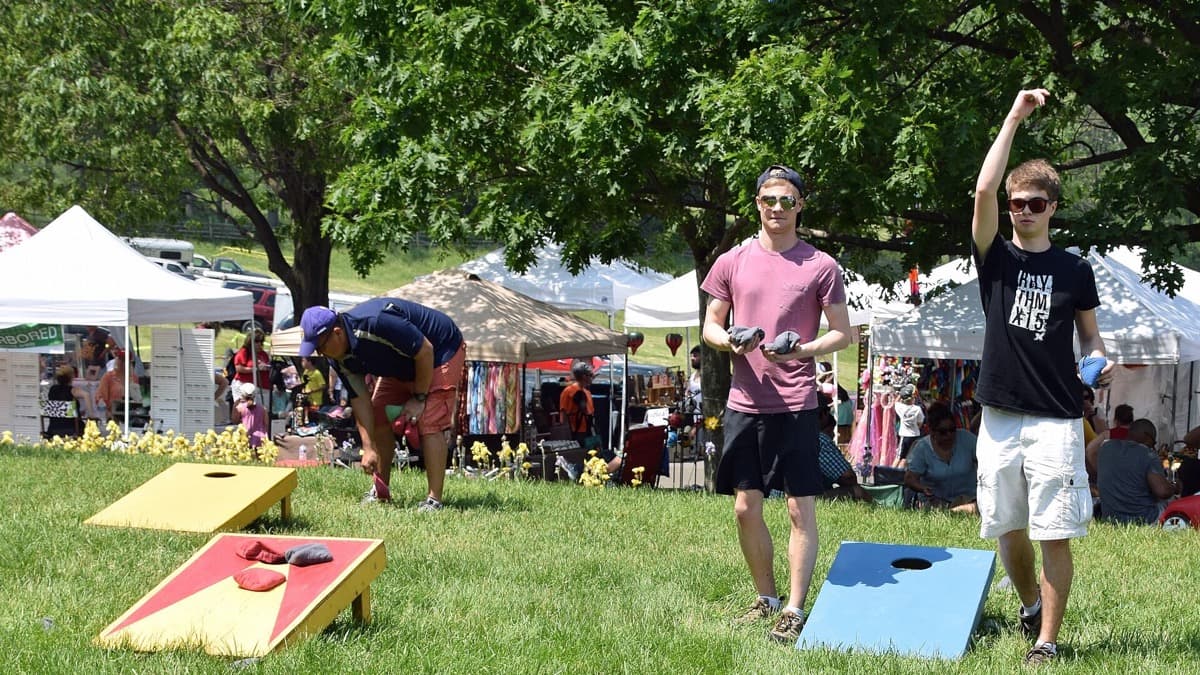
You heard "cornhole" at a tailgate or wedding and pictured something else entirely. If you are asking what is a cornhole board, it is an angled wooden or composite platform with a hole cut near the top, built to catch fabric bags thrown from across the lawn. Once you know the object, the rest of the game (two targets, eight bags, teams taking turns) clicks into place.
The short answer
A cornhole board is an angled platform with a regulation face of about 24in x 48in and a 6in hole centered 9in from the top edge, used in the lawn game cornhole. One board is half of a full court; regulation play uses two boards spaced 27ft apart, front edge to front edge, according to American Cornhole Association (ACA) gameplay rules. A bag that lands on the face scores 1 point; a bag that falls through the hole scores 3, with cancellation scoring between teams.
What is a cornhole board? Regulation specs at a glance
| Spec | Regulation value (ACA) | Why it matters |
|---|---|---|
| Playing surface | 23½in to 24in x 47½in to 48in | Adult spacing and bag slide assume this footprint |
| Top thickness | ½in to ⅝in | Stiffness and bounce; thinner tops flex |
| Hole | 6in diameter, center 9in from top | Bags must fit through consistently |
| Front height | 3in to 4in | Low lip for sliding shots |
| Rear height | 12in | Standard ramp angle |
| Set count | 2 boards | One board alone is practice, not a full court |
| Bags | 8 (4 per team) | Matched weight and size per body rules |
For full tolerance bands and ramp geometry, see the regulation cornhole board dimensions guide.
What is cornhole, and what does the board do?
Cornhole is a two-team lawn game built around two boards and eight bags. Each side throws four bags toward the opposite board from a pitcher's box. The board is the scoring target, not the field you stand on.
Wikipedia lists sack toss, bean bag toss, bags, and baggo as common names for the same game. For scoring, foul lines, and bag counts, see the official cornhole rules and how many cornhole bags guides.
Parts of a cornhole board
Playing surface (face). Smooth plywood or coated composite, angled upward so bags slide.
Hole. Six inches across, centered 9in from the top edge per ACA specs (±¼in on diameter).
Front and rear edges. Front sits 3in to 4in off the ground; rear sits 12in high.
Frame and legs. A wood perimeter (often 2x4 stock) supports the top; folding or fixed legs set the ramp.
Graphics and finish. Paint, stain, vinyl, or UV print under clear coat. See cornhole board design ideas for layout inspiration.
The best wood for cornhole boards guide explains why most regulation tops are plywood rather than a solid slab.
Regulation vs mini and tailgate boards
Not every board in the category matches tournament size. Mini and tailgate boards exist for tight lawns, RV trips, and kids, but they are not interchangeable with a regulation 2x4 court.
| Type | Face size | Typical use | Regulation play? |
|---|---|---|---|
| Regulation (2x4) | 24in x 48in | Backyards, leagues, tournaments | Yes |
| Tailgate / backyard mini (2x3) | 24in x 36in | RVs, tight lawns, kids | No (shorter spacing) |
| Tabletop | Desk size | Indoor novelty | No |
The ACA sells a 2x3 "Backyard 2300" line as a tailgate size distinct from 2x4 regulation boards. The cornhole board size and distance guide covers front-edge spacing for full and mini setups.
What comes in a two-board set
A complete setup needs two matched boards and eight bags (four per team, two colors). Cases, scoreboards, and lights are optional.
Bags are duck cloth squares around 6in, filled with resin or corn. ACL and ACA weight bands differ slightly, which matters for league stamps more than a cookout. See the how many cornhole bags guide for counts and weights.
Wood, plastic, and all-weather faces
Most regulation boards pair a plywood top with a wood frame, which is what the ACA equipment page describes. Retail all-weather sets sometimes use plastic or composite faces (Versatex-style sheet goods appear in this category). ACA notes that composite surfaces can play differently from wood in sanctioned contexts, even when the outer dimensions match.
How far apart the boards sit
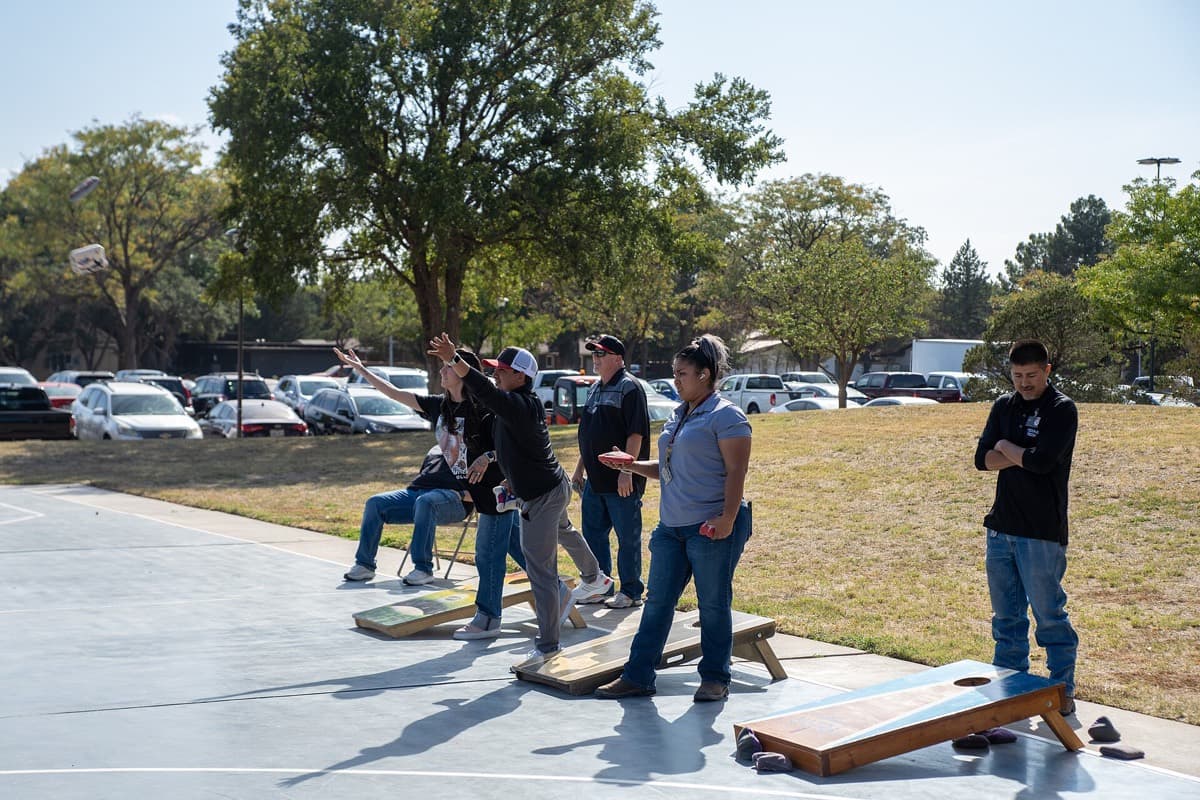
For official adult play, the ACA places boards 27ft apart, measured front edge to front edge. Weddings and casual backyards often shorten that to 20ft to 25ft while still using regulation 2x4 boards. Whatever distance you pick, level both boards so the ramp feels the same from end to end.
Court layout, mini-board shortcuts, and spectator clearance are covered in the size and distance guide.
Do ACL and ACA boards differ?
On board dimensions, the ACL and ACA align on a 24in x 48in face, 6in hole, and matching ramp heights within ACA tolerance bands. They diverge on bags, event rules, and sanctioning. See the ACL vs ACA vs backyard guide.
Matched boards for venues and events
Taprooms, corporate picnics, and league directors need matched pairs of regulation boards, not a single board propped on a picnic table. Branding lives on the face. Public-play boards take more abuse than a garage set.
Previewing a regulation face (coming soon)
The Cornhole Exchange designer is in development. When it opens, it will preview a regulation tournament board on a birch or all-weather face, with a full preview, zoom, and shareable links so you can show a partner or marketing team before anything is built. The materials page describes the birch top, 2x4 frame, and UV-cured print stack that sits behind that preview.
Common beginner mix-ups
| Mistake | Result | Fix |
|---|---|---|
| Buying one board | No full court for alternating ends | Plan on two matched boards |
| Assuming a 2x3 tailgate board is regulation | Wrong spacing and slide for adult play | Match court size to board footprint |
| Ignoring bag count | Teams cannot alternate colors fairly | Start with eight matched bags |
| Skipping a smooth top and round hole | Bags hang up or bounce unpredictably | Sand the face and radius the hole (see r/Cornhole checklist) |
Shoppers comparing retail to a plywood build can read the DIY vs custom cornhole boards guide.
What to do after reading this
You now know what a cornhole board is: an angled target, one half of a two-board court. Read the regulation dimensions guide for build specs, the size and distance guide for lawn layout, or the official rules guide for scoring. When the designer preview opens, you can mock up a regulation face and share the link with anyone helping on artwork.