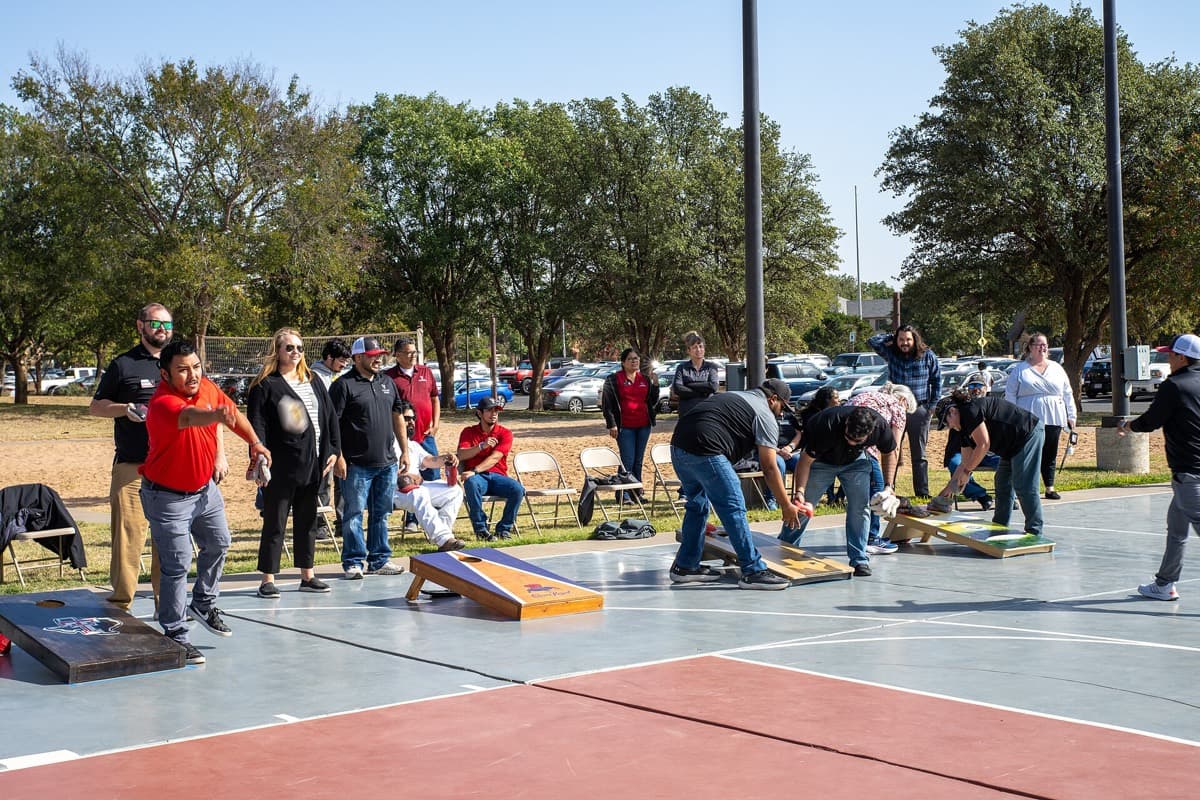
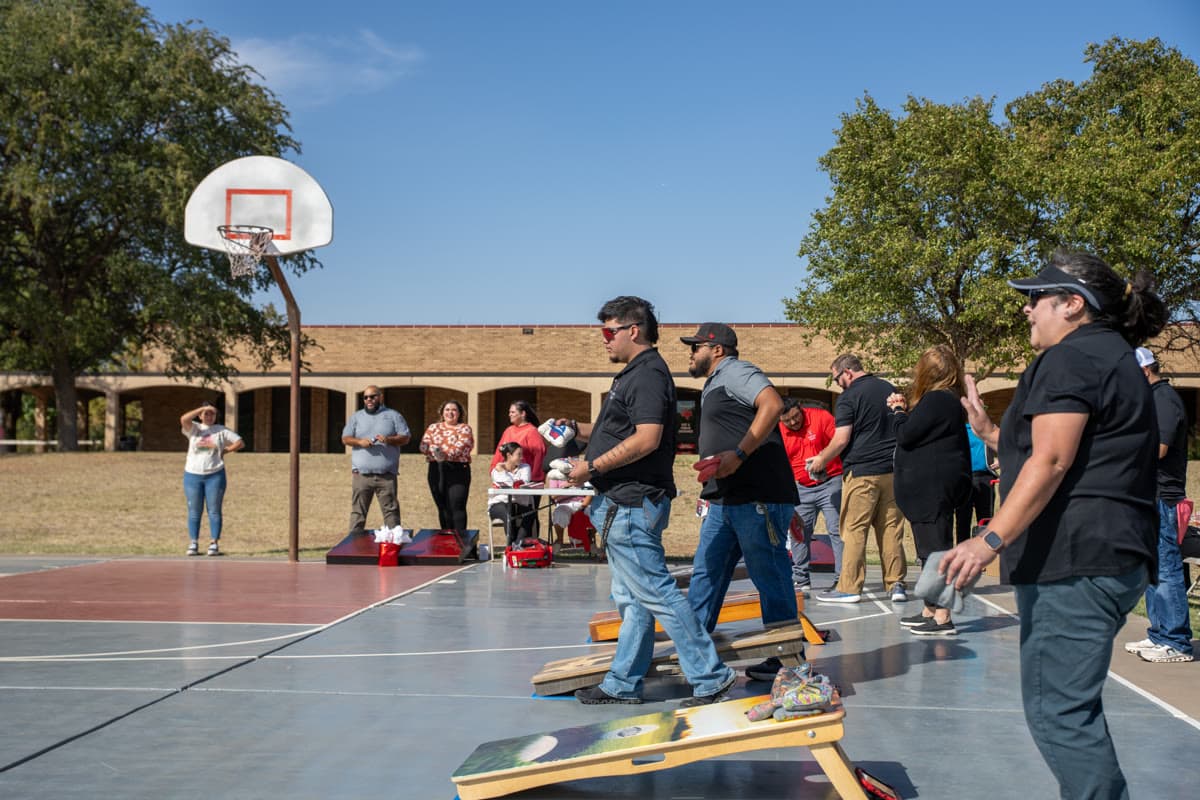
How Many Bags for Cornhole? 8 Total, 4 Per Team
Marisol Vega, Contributor
Updated (published )14 min read
A standard cornhole game needs 8 corn hole bags (4 per team, 2 colors). Half the listings on retail shelves show a set of four instead of eight, and grabbing the wrong pack means you are back at the cookout explaining why two teams cannot share one color for a full frame. If you searched how many cornhole bags or how many bags for cornhole, the answer is eight before you worry about fabric, fill, or whether regulation size cornhole bags means ~6in squares (bags) or 24in x 48in boards.
The short answer
- Count: 8 total, 4 per team, 2 colors
- Size: ~6in x 6in square when laid flat (bags, not boards)
- Weight: 14–16.25oz (ACA) or 15.5–16.5oz (ACL)
A 4-pack is half a game, not a shortcut.
Looking for board size? This guide covers corn hole bags only (count, size, and weight). Regulation boards are 24in x 48in with a 6in hole, not the same as bag size. If you searched regulation size cornhole without the word "bags," you want board specs, not bag specs. See Cornhole Boards Size: 24in x 48in, Set 27ft Apart for face measurements, 27ft spacing, and court layout.
According to the American Cornhole Association official rules, each team uses four bags of one color, and all eight bags are thrown before scores are counted in a round.
Quick facts: bag count and regulation corn hole bags
What this guide covers: bag count, size, and weight only. Board dimensions live in the guides linked above.
Count at a glance
| Item | Value |
|---|---|
| Bags per game | 8 total |
| Bags per team | 4 |
| Colors needed | 2 contrasting colors |
| Set of 8 | Full game (both teams) |
| Set of 4 | One team's color only (half a game) |
| Regulation size (bags) | ~6in x 6in finished square, ~1lb each |
| Regulation size (boards) | 24in x 48in playing surface with a 6in hole (board dimensions guide) |
Size, weight, and fill at a glance
| Spec | Regulation value |
|---|---|
| Finished size | ~6in x 6in square |
| Weight (ACA) | 14–16.25oz per bag |
| Weight (ACL) | 15.5–16.5oz per bag (16oz target) |
| Thickness (ACA) | ~1in (±⅛in) |
| Thickness (ACL) | 1.1–1.5in (1.3in target) |
| Fill (ACA) | Corn kernels or resin pellets |
| Fabric | Woven duck cloth, often dual-sided |
Why you need eight bags, not four
Eight bags, not four. Each team throws four bags per inning. Players alternate throws, so one full round uses all eight pitches before scores are tallied. That is true in singles (one player per side) and doubles (partners at opposite boards). Cancellation scoring only works when both teams have thrown their full allotment.
The ACA quick-start copy states that each team throws four bags and that all eight bags are thrown per round. DICK'S Sporting Goods describes the same eight-bag setup. Four bags in one color is one team's worth, not a shortcut for casual play.
For the full throw order, foul-line rules, and how dead bags are handled, see our Cornhole Rules: Scoring, 27ft Setup, Over 21, and a Printable Sheet.
What "regulation cornhole bags" means
Regulation cornhole bags means eight matched bags (~6in, ~1lb) in two colors, not board size. "Regulation" here means the governing body that runs your league or tournament, not a single universal stamp on every retail tag.
American Cornhole Association (ACA): Published ACA rules list finished bags at roughly 6in x 6in and 14–16oz, with four bags per team. ACA construction standards call for 6¼in fabric squares with ¼in seams, which yields the finished ~6in square after sewing. The ACA regulation bags product page lists thickness at about 1in (±⅛in), weight at 14–16.25oz, and fill as corn or resin pellets. For Synergy line detail and association play requirements, see ACA Cornhole Bags: Specs, Synergy Lines, and What Association Play Requires.
American Cornhole League (ACL): ACL general bag parameters specify bags laid flat at 6in x 6in with a 5.75in to 6.25in tolerance, a 16oz target weight with a 15.5oz to 16.5oz tolerance, and thickness around 1.3in with a 1.1in to 1.5in band. New ACL bags must measure at least 7.5in on the diagonal. Sanctioned ACL events also require bags from the league's current approved manufacturer list. For weigh-ins, series rules, and the current approved list, see ACL Bag Policy for Cornhole: Weight, Series, and Event Checks and the 2024 ACL Bag Policy PDF.
Backyard cookouts often use any matched set of eight. League night and ACL-sanctioned brackets are where the body-specific numbers start to matter.
ACL vs ACA vs backyard: bag spec comparison
| Spec | ACA (published) | ACL (equipment standards) | Typical backyard set |
|---|---|---|---|
| Finished size | ~6in x 6in | 6in x 6in (5.75–6.25in tolerance) | Often 6in, sometimes off-spec |
| Weight | 14–16.25oz | 15.5–16.5oz (16oz target) | Mixed weights common |
| Thickness | ~1in (±⅛in) | 1.1–1.5in (1.3in target) | Rarely listed on packaging |
| Diagonal (new) | Not specified in ACA rules summary | Minimum 7.5in | Not checked |
| Fill | Corn or resin | Resin in approved bags | Corn, resin, or blends |
| Count | 4 per team | 4 per team | Ideally 4 per team |
Cornhole bag dimensions explained
Finished regulation cornhole bags land near a 6in square when laid flat, with ACL requiring at least a 7.5in diagonal on new bags. ACA construction starts from 6¼in fabric pieces with ¼in seams, which is why homemade bags that skip the seam allowance often finish undersized. The ACA FAQ notes regulation bags measure approximately 6¼in square when new.
ACL adds a diagonal check that backyard guides rarely mention: a new bag must measure at least 7.5in corner to corner. That catches bags that look square on a shelf but collapse thin after break-in.
Mini ACL bags (about 4in and roughly 8oz) exist for smaller boards. They are not the right match for a full regulation board. Pair full-size bags with full-size boards so slide and hole entry behave the way players expect. Board measurements live in our Cornhole Board Dimensions: 24in x 48in Regulation Size, Hole & Height Spec Table, not here.
Weight and thickness: why they change the game
A bag even an ounce off regulation weight slides differently on a sanded birch surface. Light bags tend to sail long; heavy bags die short of the hole. When one set mixes weights, the "fast" and "slow" sides of the board feel random instead of skill-based.
Thickness matters for the same reason. ACL allows a wider band (1.1 to 1.5in) than most ACA product listings (~1in ±⅛in). A thin, broken-in bag can slip through the hole more easily; a thick new bag can ride the board edge differently on the first few throws. For tournament prep, throw all eight bags from the same production run so break-in stays even.
Dual-sided duck cloth adds another variable: one side is slick, one side sticks. That is intentional. Players choose which face to throw based on board conditions, but the fill weight and thickness still need to match across all eight bags.
What cornhole bags are filled with
ACA regulation bags may use corn kernels or resin pellets. Resin is the common choice for all-weather outdoor storage and most tournament play. ACL sanctioned events require approved resin-filled bags from the league's current manufacturer list. For a full corn-vs-resin comparison, see What Is in Cornhole Bags? Corn vs All-Weather Resin Fill Explained.
The Cornhole Exchange builds each set with eight dual-sided bags in 6oz duck cloth, filled to a regulation 1lb with resin pellets. More on fabric and fill is in our materials overview.
Common bag mistakes
| Mistake | Why it hurts | Fix |
|---|---|---|
| Buying a 4-pack for a new full setup | Four bags is one team's color, not a complete game | Get a matched set of 8 in two colors |
| Mixing weights in one set | Slide and hole entry vary bag to bag | Weigh or replace outliers; buy one production run |
| Leaving corn-filled bags wet | Fill clumps, bags gain weight, fabric rots | Dry bags fully; switch to resin for outdoor storage |
| Using mini bags on regulation boards | Wrong size changes slide and scoring feel | Match bag size to board size |
| Ignoring league bag policy | ACL events require approved stamped bags | Check ACL bag policy before you show up |
Corn hole bags shopping guide: 4-pack, 8-pack, and replacements
Most listings say "regulation" but hide that four bags is one team only. Amazon and big-box listings for corn hole bags often lead with a four-count hero image. The product title may say "regulation cornhole bags" without stating that four bags cover one team only. Read the count line before you add to cart.
| Pack size | What you get | Buy when… |
|---|---|---|
| Set of 8 | Full game (4 per team, 2 colors) | New setup, gift, event |
| Set of 4 | One team's color | Replacement half-set only |
| "Complete set" on tag | Usually 8 bags in two colors | First-time buyers |
| "Replacement" or "half set" | 4 bags, one color | Spare color for one side |
Tags like "regulation cornhole bags," "ACL approved," or "official cornhole bags" point to dimension and weight specs, not bag count. An 8-pack of undersized carnival bags is still the wrong purchase. Read the size and weight lines, not just the word "regulation." Our Cornhole Bags for Sale: What to Check Before You Buy walks through what to verify on a listing.
Once count and weight check out, skill-level tiers and fabric choices matter more than the packaging photo. Our Best Pro Cornhole Bags for Every Skill Level (Backyard to Tournament) guide walks through backyard, league, and tournament options.
For leagues, breweries, and event planners
Running two courts at a brewery patio or a corporate field day means identical bag sets per court, not one shared sack of mixed leftovers. Players notice when Court 2 slides faster because those bags are newer, heavier, or a different fill.
Plan spare sets if bags rotate between courts during a long event. Matched board-and-bag orders are covered in our FAQ and on our business occasions page. After you pay we send a design proof, and nothing is built until you approve it.
What to do after you have the right bags
Once your corn hole bags pass the count and weight checks, pair them with regulation boards and correct court spacing. Start with Cornhole Boards Size: 24in x 48in, Set 27ft Apart for pitcher boxes and the 27ft foul-line layout.
If you landed here after searching "bean bags" or "corn toss," read Cornhole Bean Bags vs Regulation Bags: The Naming Mix-Up to confirm you are not comparing carnival mini bags to tournament specs.
The Cornhole Exchange in-browser designer lets you design a regulation tournament board on birch or an all-weather face with a live preview. After you pay we send a design proof, and nothing is built until you approve it. Browse our blog for other regulation guides, or start on The Designer.