Plain Cornhole Boards: When a Blank Face Is the Right Call
Dana Whitfield, Contributor
9 min read

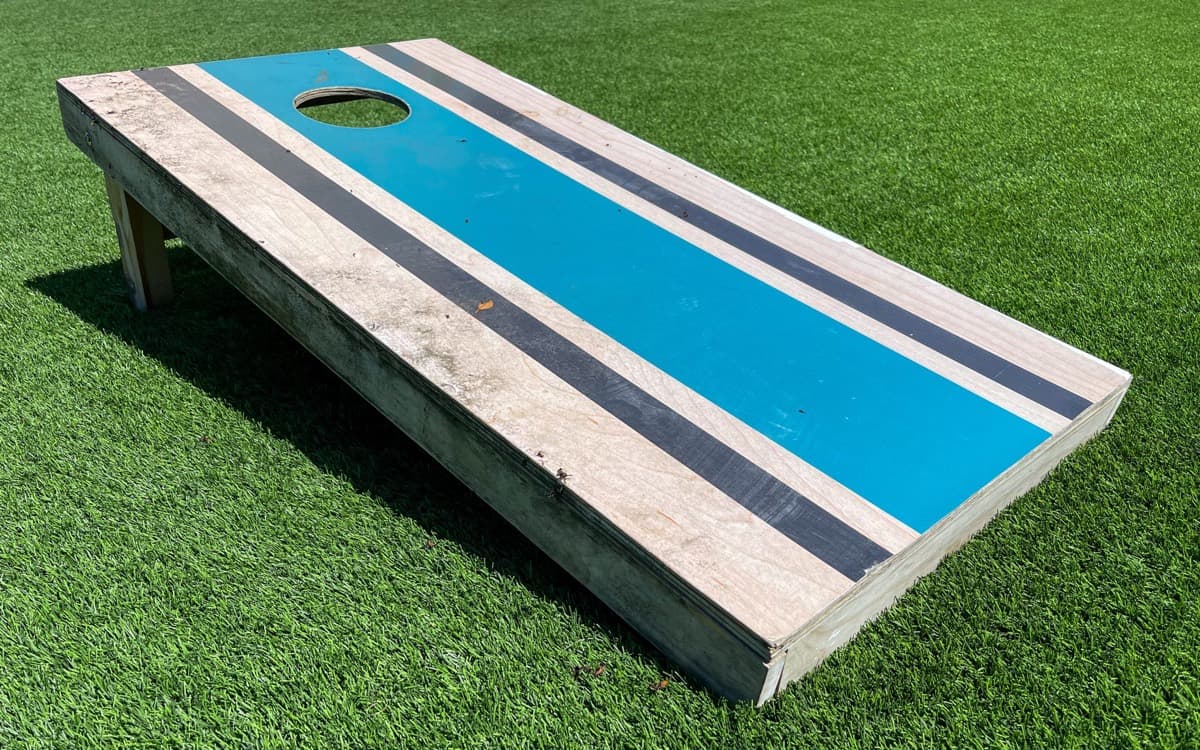
Plain cornhole boards sound like the safe, boring pick until you need a wedding monogram, team colors that are not in any catalog, or a brewery logo that has to sit clean around a 6in hole. A blank face is not a downgrade. It is an open regulation surface you finish yourself or hand to a shop that prints custom artwork.
The short answer: Plain cornhole boards are regulation 24in x 48in sets sold without a finished graphic: sanded raw or primer-ready wood (or a neutral factory base) so you can stain, paint, wrap, or later apply custom artwork. Choose plain when you already know your design, need a wedding or logo face that is not in a catalog, or want to paint yourself. Skip plain when you want a store graphic today and will never customize.
| Term | What you get | Typical next step |
|---|---|---|
| Unfinished natural wood | Raw or sanded face, no sealer or paint | Stain, paint, or vinyl wrap |
| Primed / paint-ready | Sanded with primer applied | Brush or spray your design |
| Plain finished | Single-color factory base, no custom art | Add decals or leave as-is |
| Custom printed | Artwork baked into the face | Play, no finishing labor |
What plain cornhole boards actually means
"Plain" and "unfinished" get used interchangeably in search results, but sellers mean different starting points. Cornhole Worldwide sells unfinished natural wood with no finish applied. CornholeAce markets a plain unfinished professional set with no polyurethane, aimed at DIY players, painters, vinyl wrappers, and makers who want a full-size blank set. All American Tailgate lists unfinished boards described as sanded and primer-ready for paint. cornhole.com also sells "Plain" boards in its product carousel: a finished single-color base without custom graphics, which is plain in look but not a raw DIY canvas.
What plain is not: a full-wrap graphic, a stain-art reveal, or a tournament face printed at the factory. Those are finished products. Plain means the art decision is still yours.
Plain vs pre-designed boards
| Factor | Plain / blank face | Pre-printed or custom-vendor graphic |
|---|---|---|
| Lead time | You supply finish labor or wait for custom art | Faster if the SKU already matches your taste |
| Art control | Full | Limited to what is in the catalog |
| Wedding / logo work | Strong fit | Hit-or-miss unless the vendor offers custom print |
| Skill needed | Paint, vinyl, or a design file | Low |
| Regulation risk | Check length before buying (see below) | Same check applies |
| Preview before committing | Hard without a designer tool | Usually a thumbnail only |
If you are still sketching ideas, our cornhole board design ideas roundup covers layouts that respect the hole placement. If you want to see artwork on a regulation face before any paint hits wood, read what a custom cornhole board designer preview will show you when the tool opens.
When a blank face is the right call
- Custom wedding monogram or guestbook layout. You need initials, a date, or a layout that no retail graphic carries. See the wedding cornhole boards guide for occasion-specific planning.
- Company logo or brewery taproom art. A plain regulation face lets your brand sit where you want it without fighting stock clip art. Venues ordering matched sets can start from blank inventory and apply consistent logos across boards; our business occasions page covers bulk and venue use cases.
- DIY paint or stain weekend. You already own the brushes and the team colors. Compare buying blank versus building from scratch in DIY vs custom cornhole boards, and pick a plywood species that takes finish well in the best wood for cornhole boards guide.
- Vinyl wrap you will apply yourself. A smooth blank face is the substrate. Read cornhole board wraps vs paint before you choose a skin over brushwork.
- League inventory multiple teams will label. Blank sets let each squad add its own identity without ordering separate pre-printed SKUs for every roster.
When to skip plain and order a finished face
Plain is the wrong call when you need playable boards this weekend and you will not touch a brush or heat gun. It also fails when you found a catalog graphic you already love and have zero interest in customizing. If you want matched bags and boards with no sanding, priming, or curing steps, a finished set saves real time.
For a finished custom look without guessing on a marketplace blank, The Cornhole Exchange is building a browser-based designer that will preview artwork on a regulation tournament face in birch or an all-weather face, with full preview, zoom, and shareable links. That is the path when you want a finished graphic but plain plywood from a listing still leaves too much to imagination.
Regulation checks before you buy blank
A plain board only stays "regulation" if the playing surface matches what governing bodies publish. According to the American Cornhole Association, a regulation board has a 48in-long playing surface with a 6in hole centered 9in from the top edge. Custom Cornhole LLC cites the same hole placement on its plain unfinished listing (cabinet-grade 1/2in plywood at 24in x 48in), though always confirm against the regulation cornhole board dimensions reference before you paint.
The size trap shows up in search results: YardGames.com sells an unfinished tailgate set at 24in x 36in. Shoppers searching "plain" or "unfinished" can accidentally buy a 2ft x 3ft blank that will not legalize at 27ft. Length is the check that matters most. Width, hole diameter, and hole offset should match ACA published specs before you invest in finish work.
Finish paths off a plain board
| Path | Durability | Skill | Notes |
|---|---|---|---|
| Stain + poly | Good outdoors with the right topcoat | Medium | Grain shows through; test adhesion on your plywood |
| Paint + clear coat | Good with proper prep | Medium | Prime first; see design ideas for layout tips |
| Vinyl wrap | Refreshable; depends on install | Low to medium | Smooth substrate wins; compare wraps vs paint |
| UV direct print (custom shop) | High when cured under a marine clear coat | Low for the buyer | Artwork prints into the face; see materials for how a shop-finished board differs from raw plywood |
Plastic all-weather plain boards are a separate material class from birch plywood. They can work for outdoor storage, but paint and stain behavior differ from wood. Treat them as their own project, not as interchangeable with an unfinished wood set.
Marketplace price context (not a recommendation)
Search results for plain cornhole boards skew toward product listings, not decision guides. A September 2026 SERP snapshot shows unfinished and plain sets roughly between $58 and $250 depending on build level: an American Cornhole Association raw wood panel near $58.80, Cornhole Worldwide unfinished near $125, CornholeAce plain unfinished near $249.99, and Cornhole Solutions plain raw near $249.95. Dick's Sporting Goods listed a Rec League set near $139.99 in the same carousel. Those figures set marketplace expectations only; they are not a buying guide and they change with sales and stock.
DataForSEO US data from 09/03/2026 puts search volume for plain cornhole boards at about 1,300 searches per month nationally, with a mild summer peak. The sister term blank cornhole boards tracks the same cluster.
Common plain-board mistakes
| Mistake | Result | Fix |
|---|---|---|
| Buying a 24in x 36in tailgate blank | Not regulation at 27ft | Confirm 48in playing-surface length |
| No sealer before paint | Peeling and checking outdoors | Prime and use a marine-rated topcoat |
| Vinyl on rough plywood | Bubbles and lift | Sand to 220 grit before application |
| Designing without hole layout | Art crosses the 6in cup | Use a 24in x 48in template from design ideas |
| Assuming "plain" means cheap build quality | Warped or soft faces | Check plywood grade and frame construction |
What to do after reading this
If plain is the right call, gather inspiration first in cornhole board design ideas, then decide whether you are finishing the blank yourself or sending artwork to a shop. For a preview on a regulation face before anything is built, read what a custom cornhole board designer will let you preview and watch for the designer to open. Still torn between a weekend build and buying unfinished? DIY vs custom cornhole boards lays out the tradeoffs in time and labor.