Cornhole Board Wraps vs Paint: Which Finish Lasts Longer?
Dana Whitfield, Contributor
14 min read

You found the perfect team logo, wedding monogram, or backyard joke. Now you need it to stay flat through July heat, tailgate rain, and a season of bags sliding across the face. Cornhole board wraps and paint are the two DIY paths most shoppers compare first. Neither is magic. The finish that lasts depends on prep, clear coat, storage, and whether you added an extra layer on top of birch that bags have to cross every throw.
The short answer: Vinyl cornhole board wraps and decals win on upfront cost and design swaps ($26 to $85 per set in current SERP listings), but they rely on adhesive plus a protective clear coat. Peeling edges, bubbles, and fade show up when varnish wears or humidity swings. Paint can look custom and slide well when sealed, yet unprotected acrylic chips and fades in sun and rain. For the longest-lasting graphics with no vinyl layer, UV-cured direct print cured into the wood and sealed under a marine-grade clear coat outlasts both, which is the finish The Cornhole Exchange builds toward on regulation birch tops.
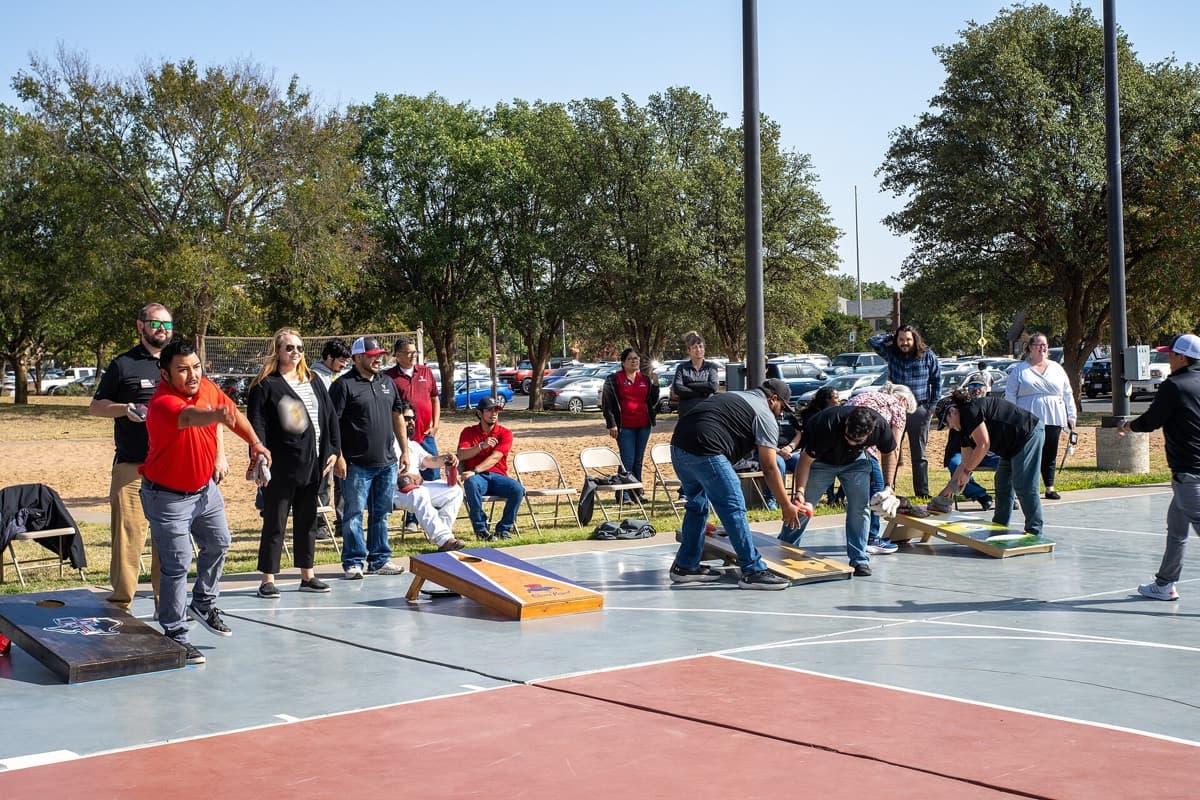
Corporate buyers and league operators reading this for ten matched sets should care about the same failure modes as backyard players: one board with a lifting wrap throws off slide consistency across the court.
| Quick fact | Detail |
|---|---|
| Regulation playing surface | 24in wide by 48in long |
| Typical wrap retail band | $26 to $85 per two-board set (Aug 2026 SERP) |
| Clear coat over vinyl | 2 to 3 thin polycrylic or poly coats recommended |
| Trunk heat risk | Can exceed 150°F per boarddecals.com maintenance guide |
| Third path | UV ink cured into birch, not a peel-and-stick sheet |
Wraps, decals, and paint: what each one actually is
Search results lump these terms together. They are not interchangeable on the playing surface.
| Finish type | What it is | Typical size / coverage | Extra layer on the face? |
|---|---|---|---|
| Full cornhole board wrap | Printed vinyl skin, often laminated | 24in x 48in sheet; hole may or may not be pre-cut | Yes, adhesive film |
| Cornhole board decals | Smaller die-cut graphics (logos, circles, names) | Partial coverage | Yes, thinner patches |
| Painted design | Brush, roller, or spray art on sealed wood | Edge to edge possible | Thin paint film |
| Direct / UV print | Ink cured into prepared wood, then clear-coated | Edge to edge | No separate vinyl sheet |
Cornhole board vinyl wrap usually means the full-face skin. Cornhole board decals skew toward partial graphics and peel-and-stick sets on marketplaces. Retailers like Rocket Cornhole Bags sell both under one collection.
Regulation playing surfaces are 24in wide by 48in long. CamoWraps and Vinyl Disorder both list 24in x 48in wrap cuts sized for regulation boards. Vinyl Disorder notes its clear wrap does not pre-cut the 6in hole so installers can align the opening after application. Confirm your regulation cornhole board dimensions before you order a skin that does not match your top.
Cornhole board wraps vs paint: durability compared
This is the comparison most buyers want before they spend a Saturday in the garage.
| Factor | Vinyl wrap / decal | Painted design | UV direct print (built-to-order) |
|---|---|---|---|
| Typical lifespan | Heavy outdoor use until edge lift or fade; Slick Woody's notes wraps peel after heavy use when varnish over vinyl wears; refresh by re-wrapping | Chips and fades in sun and rain without waterproof sealing (Slick Woody's); high-traffic landing zones fail first | boarddecals.com and Ripper Graphics describe direct print as more durable and integrated than wraps when sealed properly |
| Sun / UV | Fades unless UV-laminated; adhesive breaks down | Pigment fades; clear coat chalks | Ink plus UV-rated clear coat resist fade better than DIY paint |
| Rain / humidity | Adhesive softens; bubbles under varnish | Unsealed paint swells wood; sealed paint holds if poly intact | Sealed birch plus marine clear coat rated for outdoor use |
| Bag slide feel | Extra film layer; varnish over wrap can feel sticky in heat/humidity | Paint texture matters; too-thick coats slow bags | No vinyl layer; surface sanded to 220 grit before print |
| Peel / chip risk | High at edges and around the hole | Chips at impact zones | Does not peel like vinyl (maintenance guides note direct print stays bonded) |
| Design change cost | New wrap sheet $26 to $85+ | Sand and repaint | New print job on order |
| DIY skill | Squeegee, patience, dust-free shop | Masking, thin coats, sand between | Factory / shop equipment |
| Best for | Refreshing plain DIY boards, budget graphics, frequent redesigns | Artistic one-offs, stencils, solid colors | Wedding, corporate, and league sets that must match |
According to Slick Woody's comparison posts, wraps need multiple polycrylic coats and still peel after heavy use. Painted boards chip in heat and rain without waterproof sealing. boarddecals.com distinguishes peeling vinyl from direct-print graphics that do not lift. Ripper Graphics positions direct print as more durable and integrated than wraps, while acknowledging wraps cost less.
Where wraps fail first
Experienced builders repeat the same pattern: the varnish over the vinyl wears first, then adhesive lets go at the hole rim and toe edge where bags scrub hardest. Slick Woody's wrap guide recommends two to three coats of polycrylic on top of applied vinyl. Without that, graphics fail faster. Heat and humidity can soften those topcoats and change slide mid-tournament.
Small cornhole board decals fail similarly, with added edge lift on partial stickers.
Where paint fails first
Paint looks great on a sanded birch face until the landing zone and hole edge take repeated impacts. Outdoor paint without a waterproof topcoat chalks and chips. Even sealed paint adds a measurable film. Tournament players notice slower slide compared with a bare-sanded, properly cleared face.
Cost snapshot (Aug 2026 SERP anchors, not a price quote)
Google's product carousel for cornhole board wraps shows typical retail bands:
| Product type | Observed SERP price band | Notes |
|---|---|---|
| Stock vinyl wrap set (2 boards) | $26 to $45 (Rocket Cornhole Bags) | Laminated prints, many camo/patriotic themes |
| Stock wrap designs | $35/set (Kyle's Cornhole Boards) | Custom uploads about $85/set |
| Camo / pattern wraps | From $29 (CamoWraps) | 24in x 48in regulation sizing stated |
| Clear protective wrap only | $34.99/sheet (Vinyl Disorder) | No print; smooths decal installs |
| Partial decal sets | Amazon/Etsy marketplace listings (no Aug 2026 SERP price band in research) | Not full-face coverage |
Paint path (DIY): You need exterior paint, primer, water-based polyurethane, sandpaper, and foam brushes on top of a smooth plywood face. Material and labor totals vary by brand and coat count. DIY vs Custom breaks down real garage costs against ordering a finished set. See Best Wood for Cornhole Boards for why surface prep matters more than the paint brand.
Wraps look cheaper until you count failed installs, second sheets, and clear coat. Paint looks cheaper until you count masking time and repaints. A built-to-order regulation set with integrated print avoids repeat labor. DIY vs Custom covers that fork without duplicating the full spreadsheet here.
How to apply a cornhole board wrap
- Start with a smooth, sealed or raw sanded top at regulation 24in x 48in outline.
- Clean with isopropyl alcohol. No Windex residue (Vinyl Disorder install guide).
- Position the 24in x 48in skin. Many sellers ship without a pre-cut hole so you can align the 6in opening.
- Squeegee from center outward to chase bubbles.
- Trim the hole with a sharp blade once the wrap adheres.
- Apply two to three thin coats of water-based polyurethane or polycrylic over the vinyl (community standard per Slick Woody's and boarddecals.com).
- Cure fully before play. Heat-softened finish changes bag slide.
How to paint a cornhole board design
- Sand the playing surface to 220 grit on a stable top. The materials section describes the same prep on birch.
- Seal bare wood with thin polyurethane if needed.
- Base coat plus art coats (acrylic or exterior latex), sanding lightly between coats.
- Mask graphics or use stencils for logos.
- Finish with 3 to 5 thin water-based poly coats, semi-gloss or satin for slide (boarddecals.com recommends Varathane water-based semi-gloss).
- Seal underside and edges to limit warp. Storage matters as much as topcoat.
Common mistakes that shorten either finish
| Mistake | Result | Fix |
|---|---|---|
| Skipping clear coat over vinyl | Graphics scuff and peel within weeks | 2 to 3 thin polycrylic or poly coats over the wrap |
| Applying wrap to dusty or glossy wood | Bubbles and edge lift | Sand to 220 grit, alcohol wipe, dry fully |
| Thick paint buildup in the landing zone | Bags stick or bounce oddly | Thin coats, sand between, keep art layers flat |
| Playing before poly cures | Sticky face, permanent bag marks | Wait per can directions, test slide on scrap first |
| Storing boards in a hot car trunk | Adhesive softens, finish dimples | Indoor, flat storage out of direct sun |
Play feel: why an extra layer matters
Regulation play expects a smooth plywood face. Any added film, paint build, or wrinkle changes friction. Wrap sellers market "bubble-free" installs because bubbles are common enough to mention in listing titles. Painted art can be slick if thin. Heavy-handed coats feel grabby.
Direct UV print, as described in site FAQ, cures ink into the surface rather than adding a vinyl sheet, then seals with a marine-grade clear coat. That is the third column in the comparison table and the honest answer to "which lasts longer" when budget allows a built board instead of a skin. For how finish thickness ties to regulation setup, see cornhole board size and distance.
Storage beats brand claims
boarddecals.com notes car trunk storage can exceed 150°F, softening finishes and adhesives. Humid garages do the same to wrap edges. No wrap or paint survives careless storage, no matter what the product page claims about waterproofing.
| Storage tip | Why it matters |
|---|---|
| Indoors, flat, off concrete | Limits warp and moisture wicking |
| Out of direct sun | Slows UV fade on paint and laminate |
| Avoid hot trunks and attics | Heat softens adhesive and topcoat |
| Cover optional if dry | Dust beats heat as the main enemy |
When to choose wraps, paint, or direct print
| Your situation | Better path |
|---|---|
| Already built plain boards; want NFL weekend graphics fast | Custom cornhole wraps or decals |
| Artistic one-off, comfortable with masking and poly | Paint |
| Corporate event, wedding, or league needing matched sets | Direct print on regulation birch (preview in the designer) |
| Plan to change designs every season | Wraps (accept refresh cost) |
| Hate maintenance; boards live on a covered patio | Direct print plus proper clear coat, or accept wrap replacement cycle |
Business angle: Breweries and HR teams ordering logo boards should ask vendors whether graphics are vinyl, paint, or UV-cured. Peeling wraps on a branded patio read as cheap long before the wood fails.
Preview in the designer before you pick a finish path
The Cornhole Exchange designer lets you pick a regulation build, choose wood and finish, upload artwork or build from the design library of colors, stripes, and team layouts, and see a live preview update as you go. Every uploaded file gets a human print check before production. After you pay we send a design proof, and nothing is built until you approve it. Artwork is UV-cured directly into a 1/2in cabinet-grade birch playing surface, not applied as a vinyl wrap, then sealed under a marine-grade clear coat rated for outdoor use. That is a different path from ordering wrap sheets and hoping the thumbnail matches your boards.
What to do after reading this
If you are refreshing DIY boards, pick the right cornhole board wraps cut to 24in x 48in, budget for clear coat, and store the set indoors. If you need matched wedding or corporate graphics that will not peel at the hole rim, weigh UV direct print against another weekend of masking tape. More regulation and materials guides live on the blog, and durability questions are covered in the site FAQ.